Local Technical Assistance Program
The Rhode Island Division of Statewide Planning provides technical assistance to municipalities to help address complex planning and infrastructure challenges that may exceed local staffing or financial capacity.
Offered on a competitive basis, the Local Technical Assistance Program supports communities in studying problems in depth, identifying practical and implementable solutions, and advancing data-driven, community-informed planning initiatives.
Through consultant expertise, staff support, and structured collaboration, RIDSP helps municipalities:
- Evaluate infrastructure and network needs
- Improve safety, accessibility, and mobility
- Modernize local regulations and policies
- Address climate and infrastructure risks
- Position projects for future funding opportunities
The program operates as a true partnership. RIDSP manages procurement, contracts, and funding, while municipalities actively define project priorities and guide outcomes. Together, we work to strengthen local capacity and deliver actionable results.
How It Works
RIDSP manages procurement, consultant contracts, and funding, while municipalities actively guide project priorities and outcomes. We work in close partnership to deliver practical, locally tailored solutions.
Our work focuses on two primary areas:
Transportation & Active Transportation
We help municipalities improve safety, accessibility, and mobility while expanding opportunities for walking, bicycling, and transit.
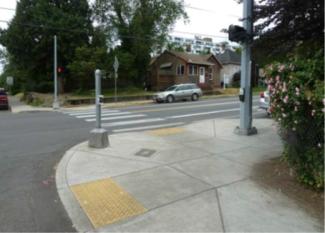
Support may include corridor studies, traffic calming, pedestrian and bicycle network planning, streetscape design, ADA improvements, and development of Transportation or Bicycle & Pedestrian Master Plans.
Learn more about Transportation & Active Transportation Assistance
Resilience Technical Assistance
We help communities prepare for climate impacts such as flooding, intense rainfall, sea level rise, and severe storms.
Support may include updating zoning and land use regulations, strengthening stormwater and floodplain standards, assessing vulnerable transportation corridors, and developing strategies to protect critical infrastructure.
Learn more about Resilience Technical Assistance